
We use the internet for just about everything these days.
Banking, shopping, paying bills, staying connected with family, and managing everyday tasks have all become part of our online routines.
Unfortunately, scammers know that too.
From fake delivery notifications to suspicious emails claiming there’s a problem with your account, online scams are becoming increasingly convincing.
With holiday shopping season approaching, now is a good time to review a few simple ways to protect yourself and your family online.
1. Be Careful With Unexpected Text Messages
Have you ever received a text saying a package couldn’t be delivered or that you owe a small fee?
These messages often contain links designed to look like legitimate delivery companies.
Before clicking, ask yourself whether you’re actually expecting a package.
If you’re unsure, visit the delivery company’s official website directly rather than using the link in the message.
2. Watch for Fake Account Notifications
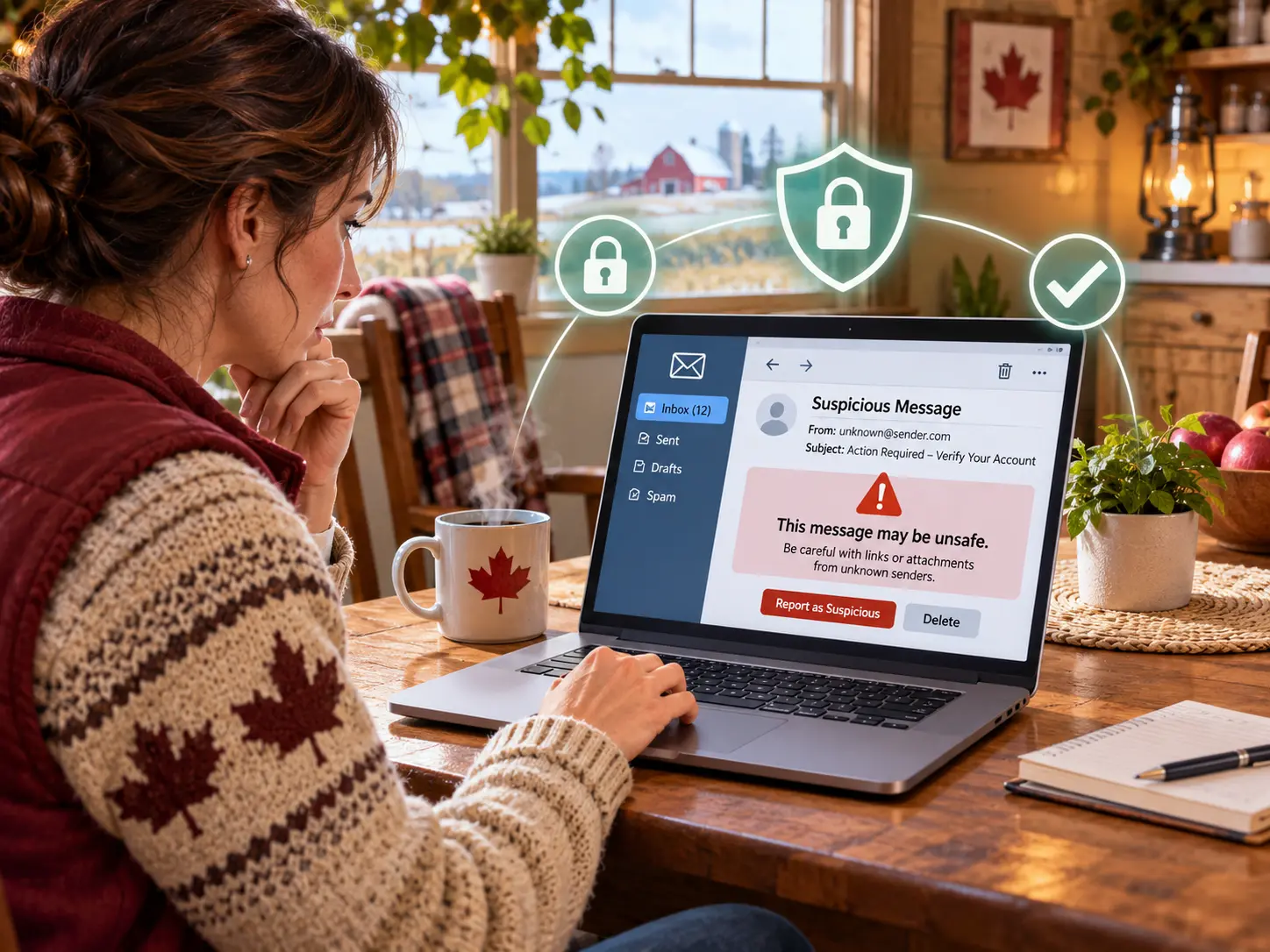
Scammers sometimes send emails claiming your internet, banking, or streaming account is about to be suspended.
The message may ask you to update your payment information or confirm your password immediately.
These messages often create a sense of urgency to encourage you to act without thinking.
If something looks suspicious, contact the company using its official website or customer service number.
3. Use Strong, Unique Passwords
Using the same password for multiple accounts can put more than one account at risk.
Choose unique passwords for important services, particularly banking, email, and online shopping.
A reputable password manager can help you keep track of them.
Where available, enable multi-factor authentication for an additional layer of protection.
4. Be Careful With Online Shopping Deals
As Black Friday and holiday sales approach, advertisements for incredible deals will start appearing everywhere.
Some are legitimate.
Others may lead to fake websites designed to collect personal information or payment details.
Before purchasing from an unfamiliar website, check the seller’s reputation, website address, return policies, and contact information.
Remember that a professional-looking website doesn’t automatically mean it’s trustworthy.
5. Talk to Family Members About Scams
Online safety isn’t only something adults need to think about.
Children, teenagers, and older family members can all encounter suspicious messages, fake giveaways, or misleading websites.
Having conversations about online safety helps everyone recognize potential warning signs.
Encourage family members to ask questions before sharing personal information or clicking unfamiliar links.
6. Don’t Let Anyone Pressure You
One of the biggest warning signs of a scam is pressure.
Messages that demand immediate payment, threaten account closure, or insist you keep something secret should raise concerns.
Legitimate organizations generally provide ways to verify account issues through official channels.
If something doesn’t feel right, stop and investigate before taking action.
Staying Connected Should Also Mean Staying Safe
The internet makes everyday life easier, but being connected also means understanding how to protect your information.
A few simple habits can make a difference.
As holiday shopping season approaches, take some time to review your passwords, talk to family members, and become familiar with common online scams.
At Integrated Solutions, we believe staying connected is about more than internet speeds. It’s about helping rural Canadians make the most of their online experience.
A little awareness can go a long way toward keeping your household safer online.


